There is another form of existence: to sever oneself—cleanly, without residue—from the body of society.
Not retreat, but rupture. Not resignation, but refusal.
The world names it “retirement.”
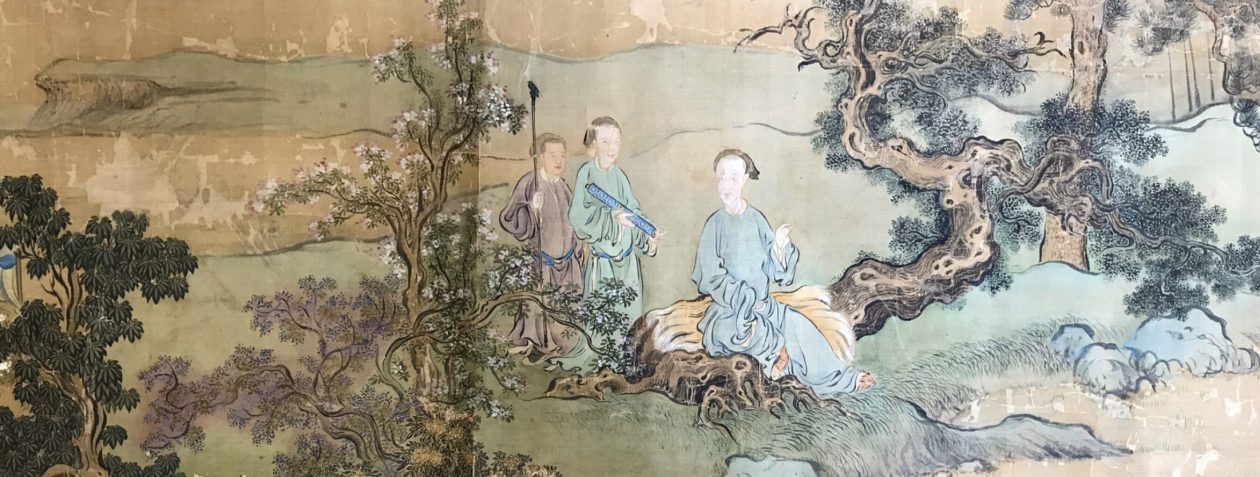
In truth, it is exile by one’s own hand: a deliberate abandonment of the herd, in order to live alone—answerable to nothing but one’s own taste.
No longer does one crawl before the idol of usefulness.
No longer does one beg for meaning by serving the needs of others.
One turns away—coldly—from this economy of justification.
Instead, one founds oneself within the so-called culture of living: a domain that does not serve, does not justify, does not redeem.
It simply is—a sovereign territory of form, sensation, and self-creation.
Production. Reproduction.
These are the labors of the species—mechanisms of its blind will to persist.
Let them belong to the many.
What remains—what is higher—is without purpose.
It does not contribute. It does not advance. It does not explain itself.
It is the excess of life over necessity: the refinement of existence into something willed for its own sake.
This is what the timid call “play.”
But play, in its pure form, is not trivial—it is tyrannical.
It obeys no law beyond its own intensity.
It exists because it must exist, because it affirms itself.
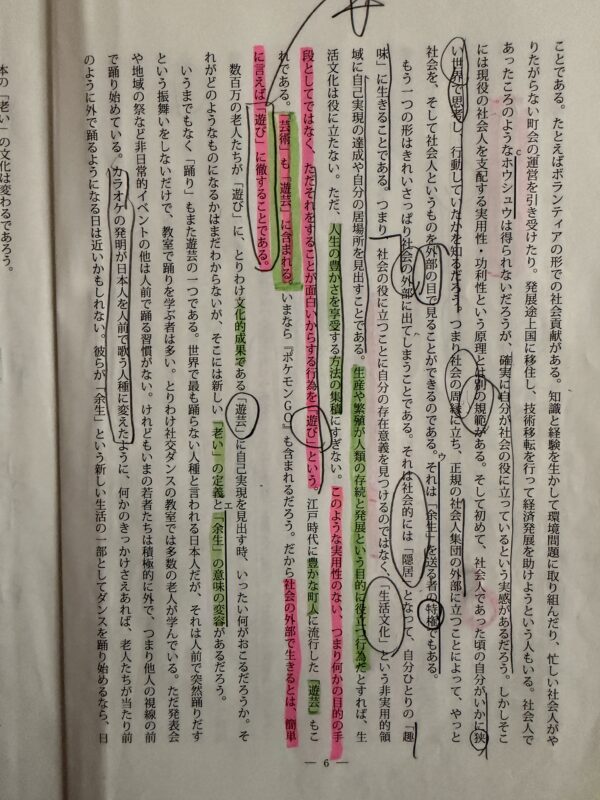
The cultivated classes of the Edo period once knew this, and called it yūgei—disciplined frivolity, perfected uselessness.
Art belongs here. Ritual belongs here. Even the most fleeting amusements—yes, even something like Pokémon GO—can, in their purified form, be transfigured into this domain.
To live outside society, then, is not escape.
It is selection.
It is to reject the question, “What is this for?”
and to answer instead with one’s life:
It is for nothing. Therefore, it is everything.